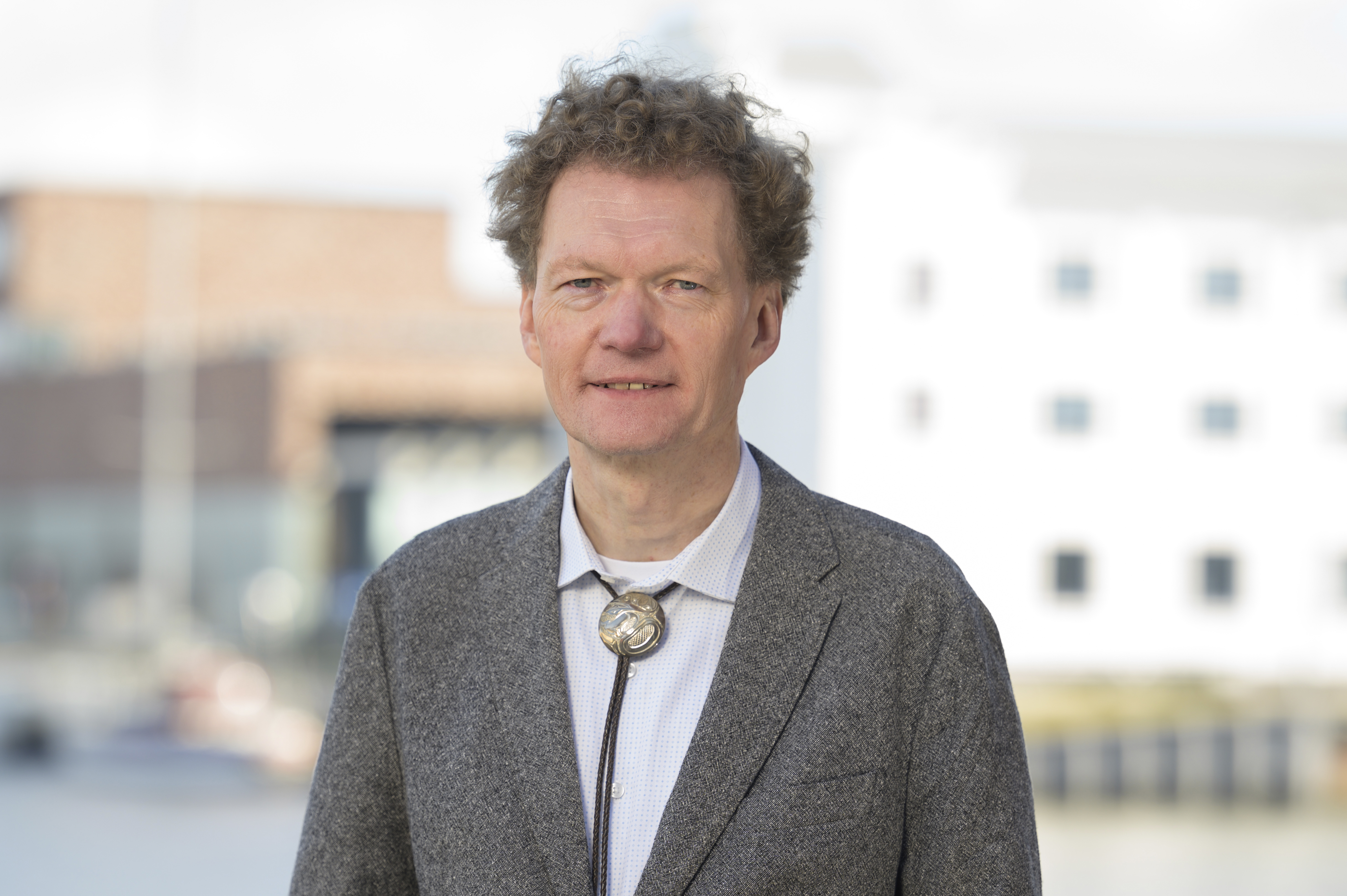
1. Dr Eicken, what motivated you to move from Alaska to the AWI in Bremerhaven?
As I approach the final stretch of my scientific career, the opportunity to return to the AWI was extremely appealing. For me, this brings things full circle. Being part of the AWI team, which has grown tremendously over the past three decades, and fostering connections between different research disciplines, forms of knowledge and applications, is both exciting and something I enjoy tremendously.
2. Did the political situation in the United States influence your decision?
At my former institute (the International Arctic Research Center, IARC, at the University of Alaska Fairbanks), we have a broad leadership team that is well positioned to continue and expand work we started jointly, even in the current political climate. Considering a move, I asked myself whether the international networks and initiatives I helped build at the IARC could be brought into my new role at the AWI. In the current research landscape and geopolitical situation, the AWI and Germany can play an important mediating role. To what extent we wish to expand our leadership role in research if the United States were to fall further behind is something we should explore together.
3. What new impulses would you like to introduce at the AWI?
My key concept here is “holistic polar research”, in other words, folding the social sciences and Indigenous knowledge systems into our work, as well as involving external partners from the public and private sectors. I would very much like to further strengthen such efforts. A great deal is already in place at the AWI and among our partners, but a more deliberate and strategic implementation of such approaches will be an exciting task in the years ahead. This is also where important impulses and methodological approaches from the social sciences, economics and other fields can contribute. That does not mean turning away from Earth system science, rather, it is about enriching such research.